The Role

National Secretary, All India Panchayat Parishad

As the National Secretary of the All India Panchayat Parishad, Akhilesh Kumar Singh is committed to strengthening the Panchayati Raj system and ensuring that rural development policies effectively reach the grassroots level. His role bridges the gap between government institutions and village communities, empowering local self-governance across India.
Govt. Recognized OrganizationOrganizational leadership role

Current Position

Serving the Panchayats of India

Position
National Secretary
Organization
All India Panchayat Parishad
Status
Govt. Recognized Organization
Based in
New Delhi
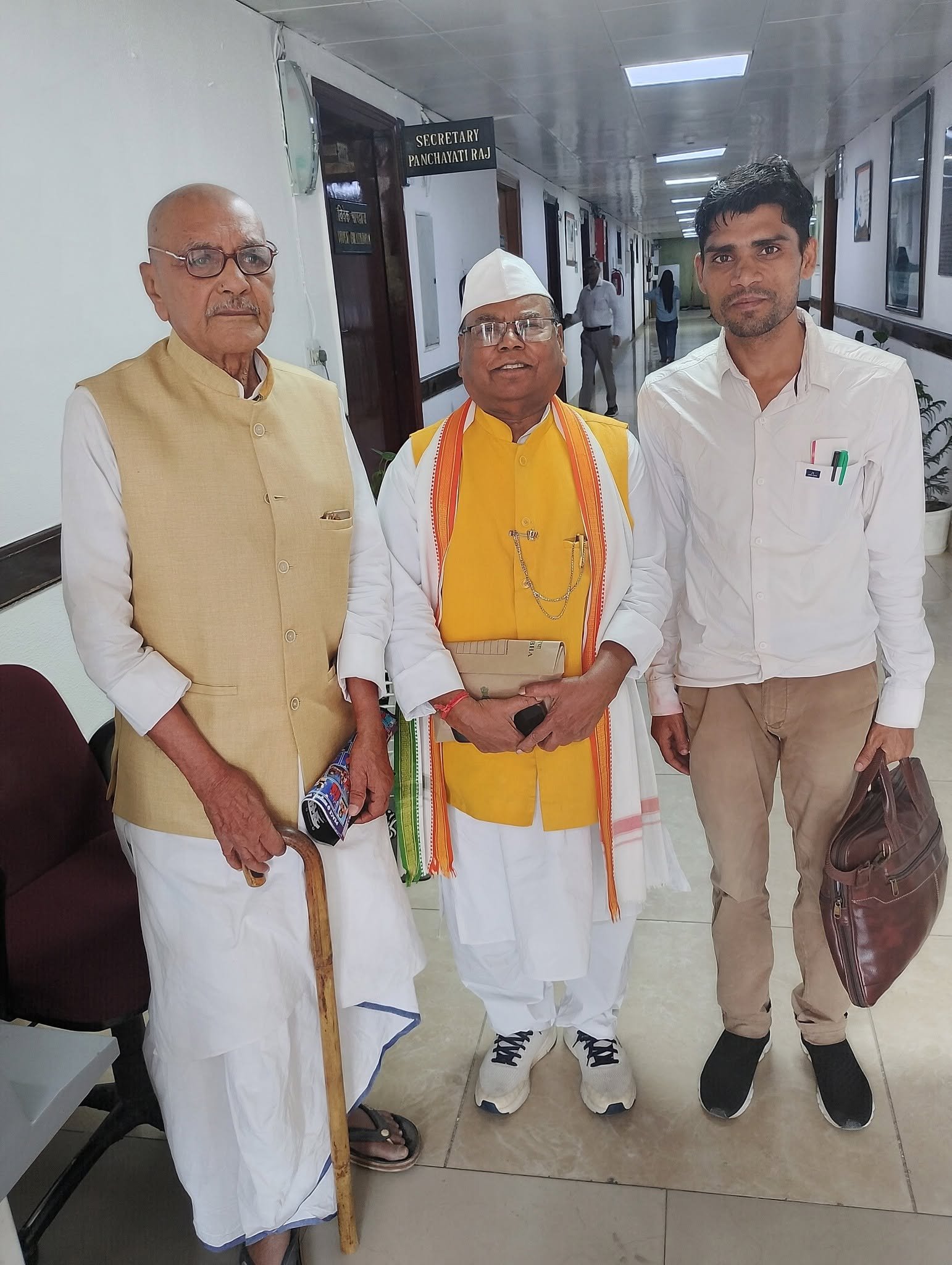
Three men standing in a government office corridor beneath a sign reading Secretary Panchayati Raj

Responsibilities

What the Role Involves

Four areas of work that together connect India's Panchayats to the institutions that serve them.

Strengthening the Organization

Bringing Panchayat representatives from across India onto a single, unified platform.

  • Connecting State and District Units

    Bringing together Panchayat representatives from across India under a unified platform.

  • Organizing National Meetings and Conferences

    Conducting discussions on Panchayat governance, elections, financial resources, and local development.

  • Expanding Membership

    Encouraging Sarpanches, Panchs, Zila Parishad members, and other local representatives to actively participate in the Parishad.
Policy Advocacy and Government Coordination

Carrying the voice of the Panchayats into the rooms where policy is written.

  • Representing Panchayat Interests

    Providing recommendations to the Central Government on matters related to the 73rd Constitutional Amendment, Finance Commission grants, MGNREGA, and other rural development initiatives.

  • Contributing to Policy Development

    Ensuring that the voices of Panchayats are considered in the formulation of laws and development programs.

  • Protecting Panchayat Rights

    Raising concerns with government authorities whenever the constitutional rights or autonomy of Panchayats are affected.

Capacity Building and Leadership Development

Equipping elected representatives to use the powers the Constitution already gives them.

  • Creating Awareness

    Educating Panchayat representatives about their constitutional powers, responsibilities, and available government schemes and funds.

  • Training Programs

    Organizing workshops on governance, financial planning, budgeting, transparency, anti-corruption practices, digital governance, and the Right to Information (RTI).

  • Supporting Women Leaders

    Promoting leadership development and capacity building for women elected representatives, strengthening inclusive local governance.

Grassroots Development and Field Engagement

Listening in the village, then reporting what was heard to those who can act.

  • Village Visits

    Interacting directly with rural communities to understand local challenges related to water, roads, education, healthcare, sanitation, and livelihoods.

  • Research and Reporting

    Preparing reports and policy recommendations based on ground realities to support evidence-based rural development.

  • Public Advocacy

    Raising awareness and representing the concerns of Panchayats at regional and national levels whenever necessary.

Context

The Scale of the Work

The Panchayati Raj system is the largest experiment in local self-governance anywhere in the world. These are the numbers that frame it.

2,75,000+

Panchayats Nationwide

The scale of the Panchayati Raj system across India, as reported at the time of his appointment as National Secretary.

73rd

Constitutional Amendment

The 1992 amendment that gave Panchayati Raj its constitutional foundation, and the basis of the Parishad's policy advocacy.

Sample entry

0+

SAMPLE — Villages Reached

SAMPLE — replace with a figure you can substantiate, or delete this entry.

Sample entry

0+

SAMPLE — Representatives Trained

SAMPLE — replace with a figure you can substantiate, or delete this entry.

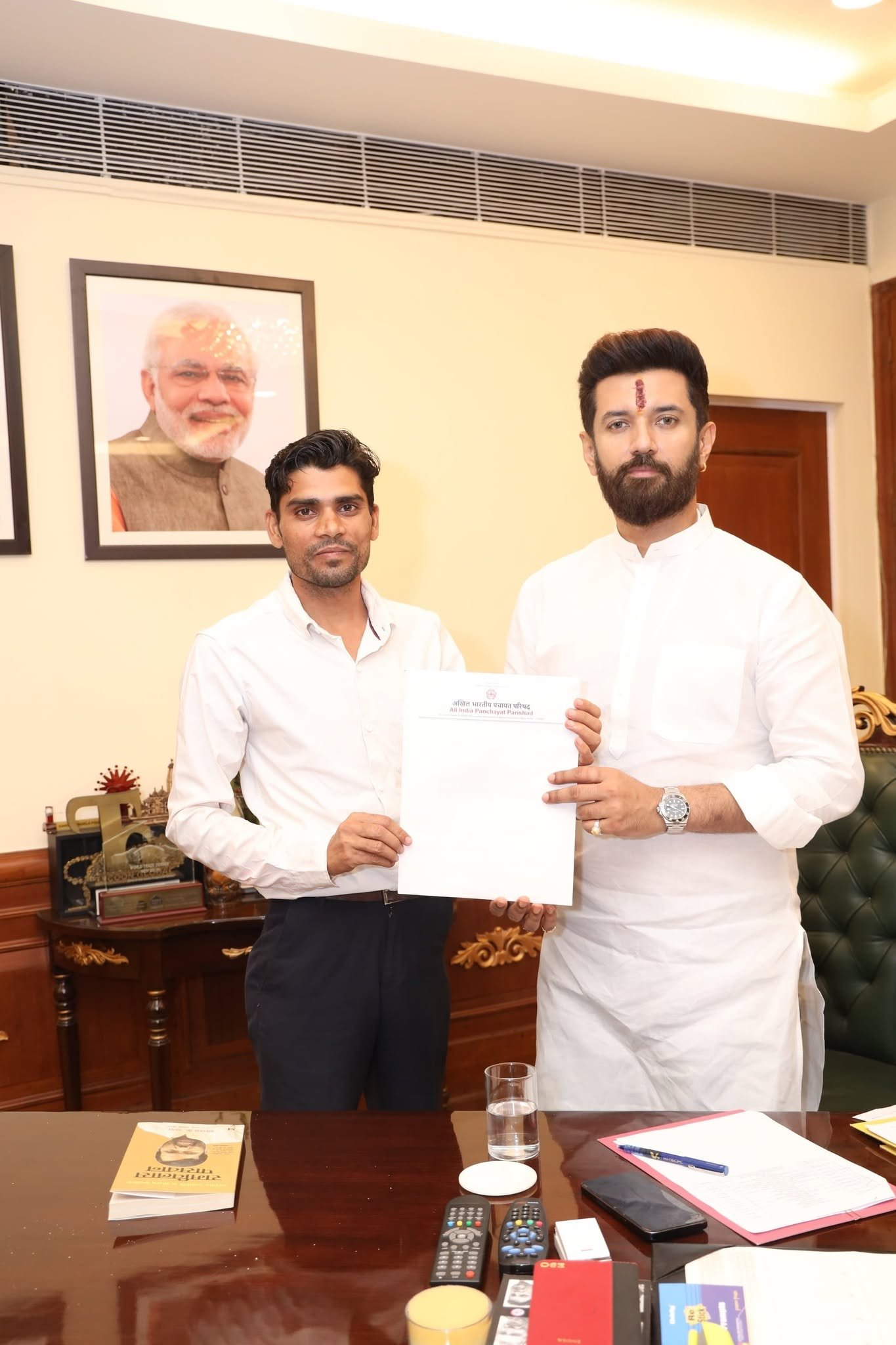
Two men jointly holding an All India Panchayat Parishad letterhead document in an office

The Core of the Role

A Bridge Between Villages and Government

The National Secretary serves as a vital link between rural communities and policymakers. The responsibility is to ensure that government policies and development programs reach every Panchayat effectively, while also ensuring that the voices, needs, and aspirations of villages are represented before national decision-makers.

Through dedicated leadership, collaboration, and public service, the objective is to promote strong local governance, empowered Panchayats, sustainable rural development, and the vision of Gram Swarajya (Village Self-Governance) for a stronger and more prosperous India.

  1. VillagesLocal challenges in water, roads, education, healthcare, sanitation and livelihoods.
  2. The ParishadListening, researching, training and carrying the evidence upward.
  3. GovernmentPolicy, grants and programmes shaped by what the villages actually need.

Questions

Frequently Asked

No. The position of National Secretary, All India Panchayat Parishad, is an organizational leadership role within a nationally recognized social organization. It is not a government appointment. The role focuses on advocacy, organizational leadership, policy engagement, and strengthening democratic grassroots institutions across India.

Get in Touch

Every village has a voice. Let it be heard.

For Panchayat matters, invitations, collaboration or media enquiries — reach out directly.